
When Soviet Propaganda Backfired: The Grapes of Wrath
by Michael J. Williams · Published · Updated
During the Cold War, Soviet propagandists were always eager for evidence that capitalism was cruel, unstable, morally bankrupt and ultimately dehumanizing. So, when John Steinbeck’s The Grapes of Wrath appeared—first as a novel, then as a Hollywood film—it seemed like a perfect gift.
Here was America, they thought, exposed: poor farmers, suffering families, wage exploitation, hard lives. The Soviets approved screenings of the film, confident it would confirm everything they had been telling their citizens about life under capitalism.
It didn’t work out that way. What they got instead was confusion. As in the case of “the Emperor’s New Clothes” there can be a problem with showing reality for anyone who is honest enough to look at it.
Soviet audiences watched The Grapes of Wrath carefully—and noticed things the propagandists hadn’t.
Yes, the Joad family struggled. But they also owned a car. They loaded their belongings and drove freely across multiple states. They argued openly with authority figures. They made decisions for themselves. They sought work where they chose, helped one another voluntarily, and encountered private charity along the way.
To Soviet viewers—accustomed to ration cards, travel restrictions, censorship, and state assignment of work—this didn’t look like oppression. It looked like freedom. Even America’s poor, they observed, lived lives of choice, mobility, and dignity that were unimaginable in a centrally planned society. The film didn’t spark outrage against capitalism. It sparked uncomfortable questions. If this was the misery of capitalism, why did it still look so…good?
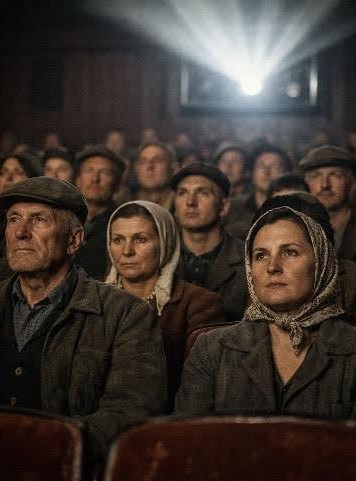
Why did families move without permission? Why did they speak their minds? Why did they own cars? Why did help come from neighbors, churches, and local communities rather than commissars? The answer, of course, was not flattering to socialism/collectivism. The propaganda effort backfired. What was meant to condemn capitalism had exposed something far more dangerous: even in hardship, free people….act like free people.
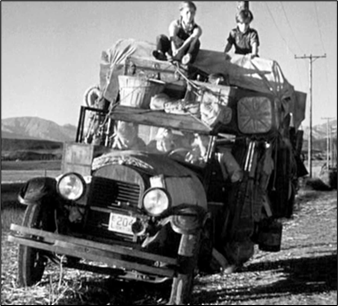
This episode captures a truth that economic statistics often miss. Human flourishing isn’t just about income levels or material comfort—it’s about agency. Markets can be messy and transitions can be painful. Steinbeck captured real hardship. But embedded in that hardship was something the Soviets could not replicate or suppress: voluntary action, personal choice, and the freedom to adapt.
The irony is profound. A story meant to indict capitalism ended up exposing socialism’s greatest failure. Even in struggle, free people act. They choose. They move. They rebuild.
Today, political movements once again use stories of hardship to argue for centralized control, industrial policy, and “managed outcomes.” But the lesson of The Grapes of Wrath isn’t that freedom fails—it’s that freedom persists, even under pressure. And that persistence is precisely what authoritarian systems cannot tolerate.
Freedom doesn’t need propaganda. It reveals itself—sometimes even in stories meant to condemn it. One final irony is worth noting. Steinbeck was writing about the consequences of the Great Depression, not its causes. But those causes are often forgotten. The collapse that uprooted families like the Joads wasn’t the product of laissez-faire capitalism run amok – quite the opposite. It followed years of monetary mismanagement, central planning, policy error, tariffs, price controls, etc.—efforts that deepened and prolonged the downturn.
In other words, the suffering Steinbeck observed was real. The lesson commonly drawn from it is not.

Michael Williams – Founder & Director of Principles and Practice
Mike created the Defenders of Capitalism Project™ and is president of ALTIUS Financial, bringing decades of experience in investments, financial planning, capital markets, and applied economic philosophy. An international speaker and member of the Mont Pelerin Society, he serves on the boards of the Leadership Program of the Rockies and the Steamboat Institute.